

Global Umbrella Market Trends (2020-2025): Insights for Retailers & Importers
As a leading umbrella manufacturer and exporter from Xiamen, China, Xiamen Hoda Co., Ltd. has been closely observing the dynamic shifts in the global umbrella market, particularly in Europe and the United States. With over 95% of our production dedicated to exports, we have gathered valuable insights into consumer preferences, trade behaviors, and industry trends over the past five years. This blog post aims to provide a comprehensive overview of the evolving umbrella market in Western regions from 2020 to 2025, offering actionable intelligence for importers, wholesalers, and retailers.
1. The Evolution of Consumer Preferences: Style, Color, Function & Price
The Pandemic Reset (2020–2022)
The COVID-19 pandemic initially caused a sharp decline in discretionary purchases like umbrellas. However, the market rebounded with surprising vigor by Q3 2021. Confined indoors, consumers developed a renewed appreciation for outdoor activities, driving demand not just for replacement items but for purpose-built, higher-quality umbrellas. The "walking umbrella" segment saw the most innovation. In sun-intensive markets like Spain, Italy, and the southern United States, compact folding umbrellas with certified UPF 50+ sun protection became a year-round essential, no longer just a rainy-day item.
Aesthetic preferences underwent a significant shift. The ubiquitous solid black umbrella, long a staple, began to cede market share. In its place, consumers sought personal expression and mood enhancement. Vibrant solid colors (mustard yellow, cobalt blue, terracotta) and sophisticated prints—such as botanical motifs, abstract geometric patterns, and vintage designs—gained traction. This period also solidified the growth of B2B customization, with companies ordering umbrellas featuring corporate logos or specific marketing campaign graphics for giveaways, reflecting a hybrid work-life environment.
Market Polarization: Premiumization vs. Value Seeking
The post-pandemic economic landscape led to a clear bifurcation in the market:
The Premium Segment ($25–$80): This segment grew at an estimated CAGR of 7% from 2021-2023. Demand centered on technical performance and sustainability. Features like double-canopy wind-resistant frames (able to withstand winds over 60 mph), automatic open/close mechanisms, and ergonomic, non-slip handles became key selling points. Eco-consciousness moved from a niche concern to a mainstream demand driver. Umbrellas made from recycled polyester (rPET), bamboo or FSC-certified wood handles, and PFC-free water repellents are now expected by a significant portion of European and North American consumers.
The Value Segment ($5–$15): This volume-driven segment remains crucial. However, even here, expectations have risen. Consumers now expect better durability (more reinforcement ribs) and basic features like a comfortable grip from a budget umbrella purchased at a supermarket or pharmacy.

Forward-Looking Trends (2023–2025 & Beyond)
Sustainability is transitioning from a feature to a non-negotiable baseline. Over 40% of European consumers under 45 now actively seek products with verifiable eco-credentials. The trend toward "quiet luxury" in fashion is influencing accessories, leading to increased demand for umbrellas in neutral, timeless colors (oatmeal, charcoal, olive green) with minimalist branding and high-quality fabric textures.
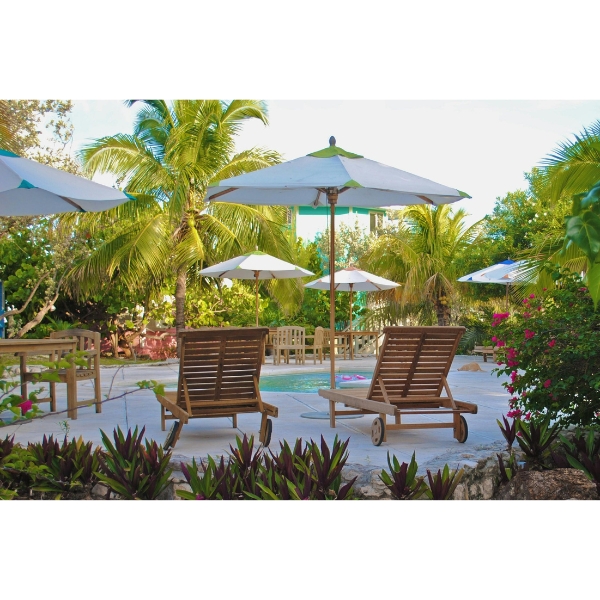
In the United States, the market for larger shade solutions continues to expand. Patio, beach, and golf umbrellas are seeing innovation in tilt mechanisms, vented canopies for wind flow, and enhanced UV blocking fabrics. Furthermore, collaborative and licensed designs—featuring popular artists, streaming service characters, or major sports league logos—command premium prices and foster customer loyalty, particularly in the gift segment.
2. Local Manufacturing, Supply Chain Realities, and Importer Behavior
The European Manufacturing Landscape
Local umbrella production in Europe is highly specialized and limited in scale. Italy maintains a reputation for high-end, fashion-forward and handcrafted umbrellas, often sold as luxury accessories. The UK has a few heritage brands focusing on traditional stick umbrellas. Smaller production exists in Portugal and Turkey, often serving regional markets or specific fast-fashion chains with quick-turnaround needs. Crucially, these operations cannot meet the vast volume demands of the mass market. The European Union’s Green Deal and Circular Economy Action Plan are powerful macro-forces, pushing importers to prioritize suppliers with transparent, sustainable practices and products designed for durability and end-of-life recyclability.
US Domestic Production
The United States has minimal domestic umbrella manufacturing outside of a few specialty and repair-oriented workshops. The market is overwhelmingly reliant on imports, with China historically dominating due to its complete ecosystem of fabric mills, component suppliers, and assembly expertise. While geopolitical tensions have spurred discussions of "China-plus-one" sourcing strategies, alternative countries like Vietnam and Bangladesh currently lack the full, integrated supply chain for complex umbrella manufacturing, particularly for technical or heavily customized products.

Procurement Habits of Importers & Wholesalers
Sourcing Geography: China remains the undisputed global hub for its unparalleled combination of scale, quality consistency, speed, and customization capability. Importers are not just buying a product; they are accessing a complete service ecosystem from design support to quality control. Sourcing agents frequently use hubs like Yiwu and our home base of Xiamen for their concentration of reliable manufacturers.
Key Procurement Concerns:
Compliance is King: Adherence to regulations like the EU's REACH (restricted chemicals), CPSIA in the US, and emerging laws on PFAS "forever chemicals" in coatings is mandatory. Proactive suppliers who provide comprehensive test reports gain a major advantage.
MOQ Flexibility: The supply chain chaos of 2021-2022 made large MOQs a barrier. Successful importers now partner with factories like Hoda that offer hybrid order flexibility—combining smaller MOQs for new, trendy designs with larger volumes for classic bestsellers.
Logistics Resilience: The "just-in-time" model has been supplemented by strategic stockholding. Many European importers now use centralized warehousing in logistics-friendly countries like Poland or the Netherlands for faster, cheaper continental distribution, relying on reliable FOB suppliers in Asia for bulk replenishment.
3. Trade Companies & Retailer Strategies: A Diverse Ecosystem
Gift & Promotional Product Companies
For these players, umbrellas are often a secondary but high-margin and versatile product line. Their procurement is project-driven and emphasizes:
Superior Customization: Ability to print complex logos, full-color designs, or even photographic images on the canopy.
Packaging Innovation: Presentation boxes, sleeves, or reusable pouches that enhance the perceived value for corporate clients.
Rapid Prototyping and Short Lead Times: To meet the swift timelines of marketing campaigns and corporate events.
Specialized Umbrella Retailers & D2C Brands
These are the market innovators and trendsetters. They compete on brand story and superior product claims:
Online-First Disruptors: Brands like New Zealand's Blunt (with its patented radial tension system) or the Netherlands' Senz (storm-proof asymmetric design) built their presence through digital marketing, compelling product demo videos, and direct sales, often backed by strong warranties.
Seasonal and Curated Assortments: They meticulously plan buying cycles, loading inventory before the spring and autumn rain seasons. Their selections are often curated around specific themes: travel, fashion collaboration, or extreme weather.
Strategic B2B Partnerships: They actively seek contracts with luxury hotels (for guest use), tourism boards, and large event organizers, providing tailored products that serve as both utility and branding.
Large Retail Chains and Mass Merchants
This channel moves the highest volume of standard umbrellas. Their buying offices operate with sharp focus on:
Aggressive Cost Negotiation: Price per unit is a primary driver, but balanced against acceptable quality thresholds to minimize returns.
Ethical and Social Compliance: Adherence to audit standards like SMETA or BSCI is frequently a prerequisite for doing business.
Supply Chain Reliability: They favor suppliers with a proven track record of on-time, complete shipments (FOB terms) and the capacity to handle massive, predictable order volumes for their nationwide networks.

4. Quantifying Demand: Volume, Price, and the Regulatory Horizon
Market Size and Growth Trajectory
The European umbrella market is estimated to be worth €850-900 million annually as of 2024, with a steady CAGR of 3-4% projected through 2025, driven by replacement cycles and enhanced features. The US market is larger in absolute terms, estimated at $1.2-1.4 billion, with growth spurred by demographic shifts in sunny states and the continued strength of the promotional products industry.
Target Price Point Analysis
European Union: The mass-market sweet spot for a standard folding umbrella in supermarkets or mid-tier department stores is €10–€22. Premium technical or fashion umbrellas in specialty stores confidently sit in the €30–€70 range. The luxury segment (often made in Europe) can command prices over €150.
United States: Price points are similarly stratified. The dominant price bracket at big-box retailers is $12–$25. The premium segment for windproof, travel, or designer collab umbrellas ranges from $35–$90. High-end golf or patio umbrellas can retail for $150-$300.
The Evolving Regulatory and Standards Landscape
Compliance is no longer static. Forward-looking importers are preparing for:
Extended Producer Responsibility (EPR): Already rolling out across the EU, EPR schemes will make importers financially responsible for the collection, recycling, and disposal of umbrella packaging and, eventually, the products themselves.
PFAS Phase-Outs: Regulations targeting per- and polyfluoroalkyl substances in water-repellent coatings are being enacted in California (AB 1817) and proposed at the EU level. Suppliers must transition to PFAS-free durable water repellents (DWR).
Digital Product Passports (DPPs): A cornerstone of the EU's circular economy strategy, DPPs will require a QR code or tag on products detailing materials, recyclability, and carbon footprint. This will become a powerful tool for transparency and a potential market differentiator.
Conclusion and Strategic Recommendations for Buyers
The period from 2020 to 2025 has fundamentally transformed the umbrella industry. The market rewards sustainability, demonstrable quality, and supply chain agility.


For importers, wholesalers, and retailers looking to succeed, we recommend:
1. Diversify with Intelligence: Maintain partnerships with capable Chinese manufacturers for core volume and complex customization, but explore emerging regions for specific, less technical product lines. Dual sourcing mitigates risk.
2. Curate a Balanced Portfolio: Your assortment should strategically mix high-volume value basics with a selection of higher-margin, feature-rich premium umbrellas that tell a sustainability or innovation story.
3. Embrace Digital Tools: Implement B2B e-commerce platforms with detailed product information, compliance documentation, and tools like augmented reality (AR) for virtual product visualization to streamline the buying process for your clients.
4. Become a Compliance Expert: Proactively monitor regulatory changes in your target markets. Partner with suppliers who are ahead of the curve on material science (like PFAS-free coatings) and can provide the documentation needed for future standards like Digital Product Passports.
5. Leverage Supplier Expertise: The most successful partnerships are collaborative. Work with your manufacturing partner not just as a factory, but as a development resource for insights on material trends, cost-engineering, and design optimization for your specific market.
At Xiamen Hoda Co., Ltd., we have evolved alongside these global trends for over two decades. We support our partners with more than just manufacturing; we provide integrated ODM/OEM services, compliance guidance, and agile supply chain solutions designed to navigate the complexities of the modern market. Contact us today to develop a range of umbrellas that aligns with these forward-looking trends and drives growth for your business.
---
Xiamen Hoda Co., Ltd. is a Fujian-based umbrella manufacturer with 20+ years of export experience, serving clients across 50+ countries. We specialize in custom umbrella design, production, and global trade solutions, committed to combining quality craftsmanship with sustainable innovation.
Post time: Dec-18-2025