


How to Know If an Umbrella Is Truly High-Quality?
When buying an umbrella for personal use, a retail store, or a global corporate promotion, it is easy to assume that all umbrellas are created equal. However, anyone who has ever had a canopy flip inside out or a frame snap during a sudden rainstorm knows that quality matters immensely. In the international export market, a premium umbrella is not just a rain accessory—it is a finely tuned piece of weather-protection engineering.
As a leading OEM & ODM umbrella manufacturer with over 30 years of manufacturing and global export experience, Xiamen Hoda Co., Ltd. knows exactly what separates a flimsy, short-lived umbrella from a premium, heavy-duty product.
If you are evaluating product samples or sourcing for your brand, here is the professional insider checklist to determine if an umbrella is truly high-quality.
1. Look for Advanced Frame Materials and Structural Rib Architecture
The frame serves as the backbone of any umbrella. While low-cost options rely on basic, thin metals that easily bend or rust under heavy use, superior manufacturing utilizes advanced engineering materials:
- · Fiberglass vs. Steel: Premium umbrellas favor high-grade fiberglass or carbon fiber over basic steel. Fiberglass boasts excellent elasticity. It can bend seamlessly during high winds and flip back into its original position without snapping or warping.
- · Rib Count Optimization: Most standard folding options carry a standard 6 or 8-rib configuration. High-end, windproof heavy-duty items—such as high-quality Golf Umbrellas or robust Three Folding Umbrellas—frequently employ up to 10 or 12 specialized ribs to establish a highly aerodynamic and stable canopy skeleton.
- · Shaft Rigidity: Look for a thick, multi-hexagonal or cylindrical aluminum/steel center shaft. When you open the umbrella and shake it gently, there should be zero loose rattling or shaky instability within the interlocking segments.


2. Check the Density and Chemical Coating of the Canopy Fabric
The canopy fabric controls how effectively the umbrella blocks water and how fast it dries afterward.
- · The Pongee Standard: Budget items often utilize low-grade polyester or nylon fabric that stretches and holds moisture. In contrast, premium factories rely heavily on high-density Pongee fabric (rated at 190T or 210T). Pongee is tightly woven, lightweight, highly water-resistant, and maintains its tight shape over years of use.
- · Water-Repellent Treatment: A top-tier umbrella features specialized treatments like a Teflon or advanced hydrophobic coating. Rainwater should instantly bead up and roll right off the fabric, allowing users to shake it dry before stepping into a car or office.
Certified UV Protection: Excellent umbrellas double as reliable sun protectors. High-quality anti-UV parasols and travel umbrellas feature a specialized black or silver backing that achieves a verified UPF 50+ rating, blocking more than 95% of harmful solar rays.


3. Test the Opening Mechanics and Hardware Craftsmanship
A premium manufacturing process is immediately noticeable in how smoothly the mechanisms function.
- · Crisp Automation: Whether utilizing a classic manual glide, an automatic open, or a double-automatic (open and close) structure, the motion must feel seamless. The button should respond with a crisp, secure click without needing excessive physical force.
- · Stitching and Seams: Inspect the inner seams where the fabric panels connect. High-quality engineering uses double-stitching with high-tensile, waterproof thread. If you spot loose threads or visible gaps along the stitch line, water will leak through during a heavy downpour.
- · Secure Tips and Top Gaskets: The tips anchoring the fabric to the rib ends should be firmly stitched or metal-capped—not loosely glued plastic. Additionally, the top notch must be sealed with a watertight rubber gasket to prevent moisture from dripping down the central shaft.


4. Evaluate Handle Ergonomics and Materials
The handle dictates user comfort and control during severe weather. Top-tier manufacturing rejects cheap, hollow plastics that become slick when wet. Instead, reliable manufacturers use slip-resistant, rubberized plastic, solid polished wood, EVA foam, or natural bamboo handles. The handle should be ergonomically molded to ensure a secure grip against strong wind tugs and properly balanced against the weight of the canopy.
Why Factory Sourcing Certifications Matter
For global business buyers, B2B importers, and brands, ensuring uniform umbrella quality across large bulk volumes requires robust factory oversight. A true mark of a reliable supplier is their adherence to international compliance standards.
Always partner with an established factory that holds globally recognized credentials, such as ISO9001 for quality management, BSCI and Sedex for ethical manufacturing, as well as FSC compliance for environmental and material safety.
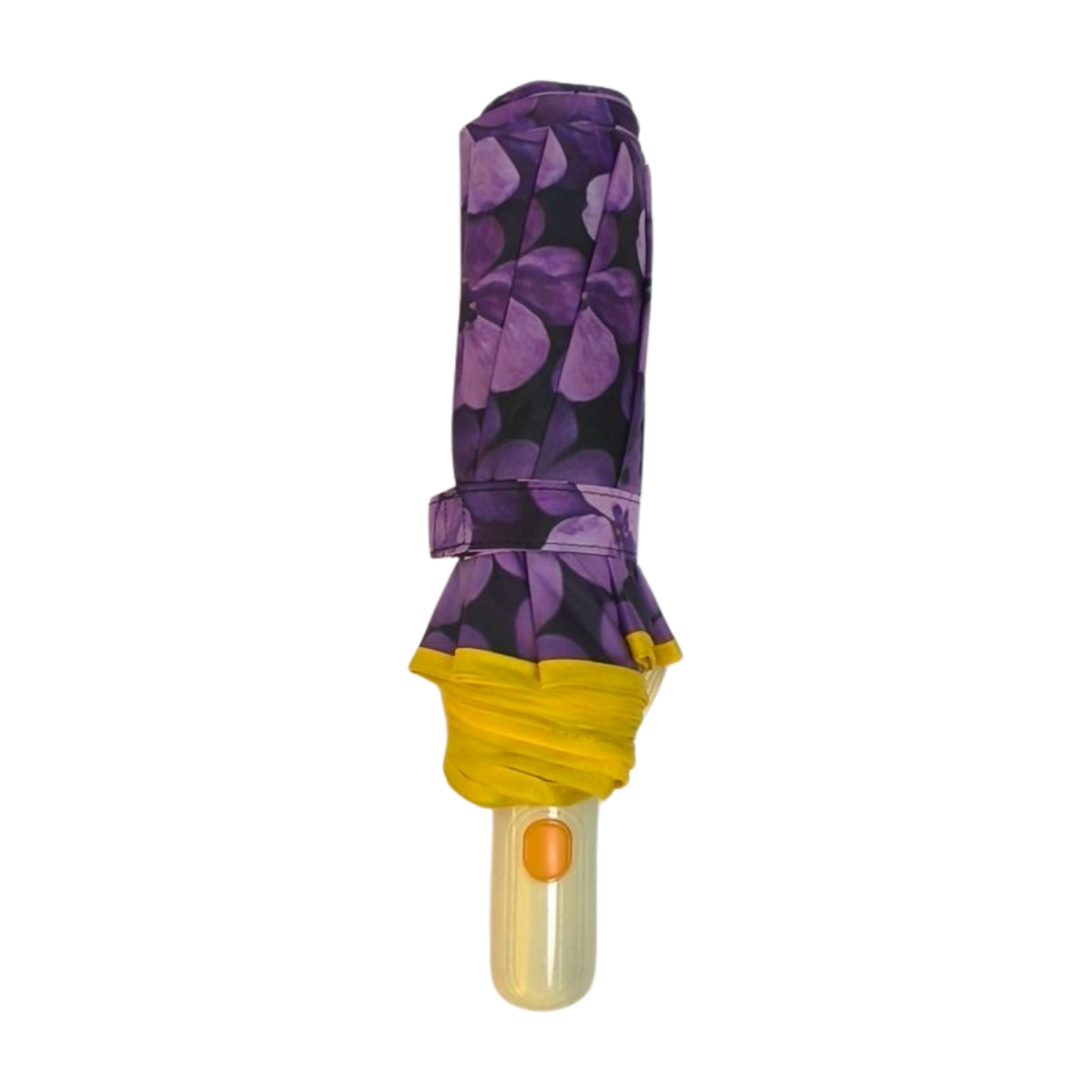

Partner with a Global Industry Expert
At Xiamen Hoda Umbrella, we maintain 3 advanced manufacturing facilities, a team of 150 skilled staff, and a robust production capacity of 800,000 pieces per month. From highly compact travel designs to massive windproof golf umbrellas and custom beach parasols, we deliver rigorous quality inspections and premium OEM/ODM customization services to clients worldwide.
Ready to elevate your inventory with weather protection products engineered to last? View our complete Hoda Product Catalog or contact our professional export team at market@xmhdumbrella.com to request factory-direct samples and bulk pricing quotes today!
Post time: Jun-05-2026